Detailed Overview of Teriparatide
Structure and Composition
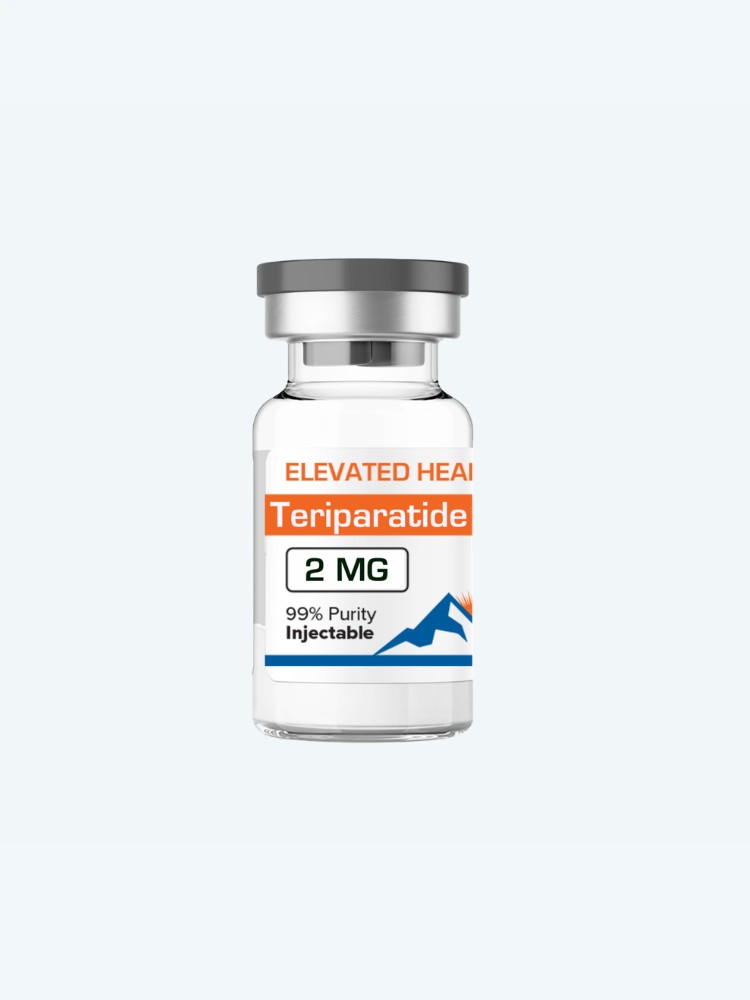
Chemical Nature: Teriparatide is a synthetic polypeptide consisting of the first 34 amino acids of human parathyroid hormone (PTH).
Teriparatide is a sterile, colorless solution for subcutaneous injection.
Mechanism of Action
Teriparatide mimics the anabolic effects of endogenous PTH, which regulates calcium and phosphate metabolism in bones and kidneys. Its bone density-enhancing mechanisms include:
Osteoblast Stimulation: Binds to PTH-1 receptors on osteoblasts, activating cyclic AMP (cAMP) and protein kinase pathways, increasing osteoblast proliferation and differentiation. This boosts bone formation, particularly in trabecular (spongy) bone.
Reduced Osteoblast Apoptosis: Prolongs osteoblast lifespan, enhancing bone-building activity.
Indirect Osteoclast Modulation: Stimulates receptor activator of nuclear factor kappa-B ligand (RANKL) production by osteoblasts, increasing osteoclast activity. However, the net effect favors bone formation due to pulsatile dosing.
Calcium Homeostasis: Enhances renal calcium reabsorption and intestinal calcium absorption (via 1,25-dihydroxyvitamin D), supporting bone mineralization.
Bone Remodeling: Increases bone turnover, with a greater increase in formation markers (e.g., procollagen type 1 N-terminal propeptide, P1NP) than resorption markers (e.g., C-terminal telopeptide, CTX).
Clinical Evidence
Efficacy:
ACTIVE Trial (2018): In 2,463 postmenopausal women with osteoporosis, Teriparatide (20 µg/day) for 18 months reduced vertebral fracture risk by 86% (relative risk reduction, RRR) and non-vertebral fracture risk by 53%. Spine BMD increased by ~9%, femoral neck by ~3–4%, and total hip by ~2–3%.
FOSIT Study (2001): In 1,637 women, Teriparatide increased lumbar spine BMD by 9.7% and femoral neck BMD by 2.8% after 21 months, with a 65% reduction in new vertebral fractures.
Men and Glucocorticoid-Induced Osteoporosis: In men and patients on long-term glucocorticoids, Teriparatide increased spine BMD by 7–10% and reduced vertebral fractures by ~50% after 12–18 months.
Comparison: Superior to bisphosphonates (e.g., alendronate) in anabolic bone formation, as bisphosphonates primarily inhibit resorption. Sequential therapy (Teriparatide followed by bisphosphonates) maximizes BMD gains.
Duration: Effects plateau after 18–24 months, necessitating transition to anti-resorptive therapy (e.g., denosumab) to maintain gains.
Administration
Route: Subcutaneous injection, typically in the thigh or abdomen.
Dosage: 20 µg once daily, administered at the same time each day for consistency.
Duration: Limited to 24 months (lifetime maximum) due to potential osteosarcoma risk observed in rat studies at high doses.