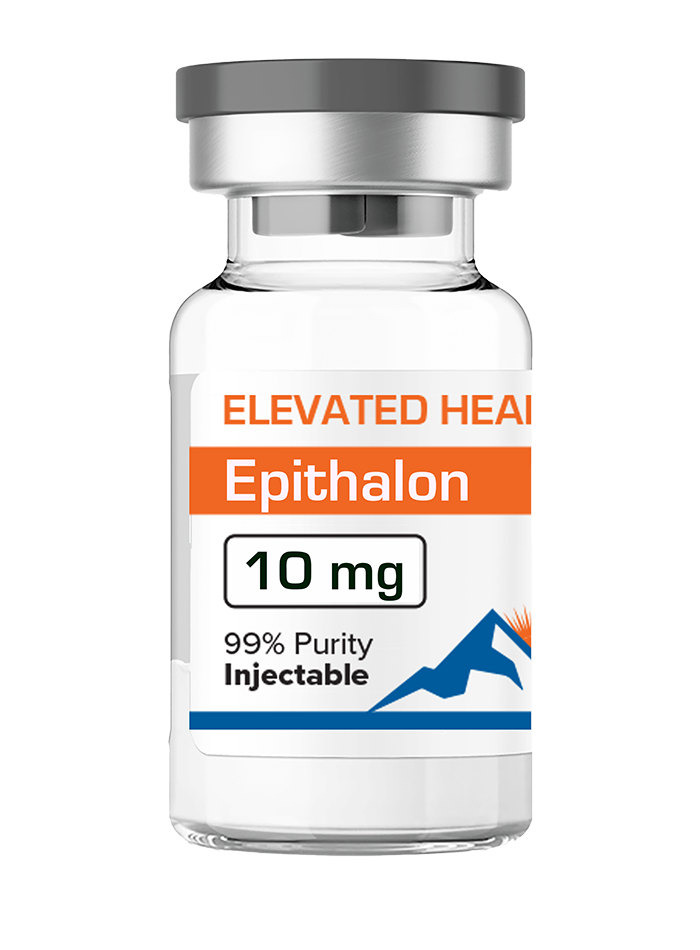
Epithalon-10mg – Anti-aging Peptide
What are the benefits of Epitalon?
Epitalon is the subject of research and discussion in the field of anti-aging medicine, associated with several potential benefits:
- Telomere elongation: Telomeres are the ends of chromosomes that shorten with each cell division, leading to cellular ageing. Epithalon is supposed to stimulate the activity of telomerase, an enzyme that lengthens telomeres, potentially delaying ageing at the cellular level.
- Improvement in cellular regeneration: This peptide may stimulate processes that help cells recover and renew, which is important for maintaining the health of various tissues and organs.
- Anti-aging effects: Through telomere elongation and improved cellular regeneration, Epitalon may help reduce the visible and physiological effects of ageing.
- Improved sleep: Epitalon may influence the circadian rhythm and improve sleep quality, which is important for overall health and well-being.
- Antioxidant properties: It may help combat oxidative stress, which is a key factor in the ageing process and the development of chronic diseases.
- Enhancement of immune function: Epitalon may stimulate and strengthen the immune system, helping the body fight infections and diseases.
- Reduction of the risk of neurodegenerative diseases: Potential protection of brain cells may reduce the risk of diseases.
- Protection of the cardiovascular system: May support cardiovascular health by reducing inflammatory processes and improving metabolic functions.
- Improvement of hormonal balance: Epithalon may have an impact on various hormones in the body, helping to maintain hormonal balance.
- Reduction of inflammation: Epitalon,s potential anti-inflammatory properties help reduce chronic inflammation, associated with many diseases.
How Does It Work?
Epithalon is a short biosynthetic tetrapeptide that appears to act through several interconnected biological pathways. The most extensively studied mechanisms are outlined below.
1. Telomerase Activation & Telomere Maintenance
The most widely discussed mechanism involves the enzyme telomerase, which adds DNA repeats to the ends of chromosomes (telomeres), protecting them from shortening during cell division.
- In cultured human somatic cells that normally lack significant telomerase activity, Epithalon has been shown to induce expression of the catalytic subunit hTERT (human telomerase reverse transcriptase).
- This leads to measurable telomerase enzymatic activity and subsequent elongation of telomeres.
- In early studies, treated human fetal fibroblasts exceeded the typical Hayflick limit (the point at which cells stop dividing), continuing to proliferate for additional passages.
- A 2025 independent study confirmed dose-dependent telomere lengthening in normal human epithelial and fibroblast cells via hTERT upregulation. In certain cancer cell lines, lengthening occurred mainly through the alternative lengthening of telomeres (ALT) pathway rather than telomerase.
2. Pineal Gland & Melatonin/Circadian Regulation (Sleep regulation)
Epithalon is derived from research on pineal gland peptides. It appears to influence the pineal gland’s production of melatonin, a hormone that declines with age and plays a central role in circadian rhythm regulation.
- In aged rhesus monkeys, Epithalon stimulated evening melatonin secretion and helped restore more youthful patterns of cortisol rhythm.
- Related human observations (using both Epithalon and the precursor extract Epithalamin) have reported increases in melatonin production and modulation of circadian clock genes (such as Cry2).
- By supporting melatonin output and circadian signaling, Epithalon may help counteract age-related disruption of sleep-wake cycles and neuroendocrine balance.
3. Epigenetic & Gene Expression Effects
Short peptides like Epithalon are thought to interact with DNA or chromatin in ways that influence gene transcription. Research from the Khavinson group suggests that AEDG can bind to specific promoter regions and modulate the expression of genes involved in cellular maintenance, antioxidant defense, and aging-related pathways. This “peptide bioregulation” concept proposes that the molecule helps restore more youthful patterns of gene activity.
4. Additional Observed Effects
- Antioxidant and cellular protection: Some studies report reduced oxidative stress markers and improved cellular resilience.
- Immune and neuroendocrine support: Observations include modulation of immune cell activity and broader effects on the hypothalamic-pituitary-pineal axis.
- Potential anti-tumor activity in models: Certain animal studies noted reduced spontaneous tumor incidence, though this area requires further independent investigation given the theoretical concerns around telomerase activation.
Summary of Current Understanding
Epithalon’s primary researched actions center on reactivating telomerase in normal cells and supporting telomere maintenance alongside supporting pineal melatonin production and thus supporting circadian and neuroendocrine function.
These effects appear complementary: healthier telomeres support cellular replicative capacity, while improved circadian signaling supports systemic physiological rhythm.
Primary Research Focus Areas:
Epithalon has been investigated primarily for its effects on:
Telomerase activation and telomere length – anti-aging:
In vitro studies (including the foundational 2003 work and more recent independent 2025 research) report induction of telomerase activity (via hTERT upregulation) and elongation of telomeres in human somatic cells (fibroblasts and epithelial cells). Treated cells have been shown to exceed the typical Hayflick limit in culture.
Early laboratory models recorded mortality reductions up to 52% and lifespan extension up to 27% when Epithalon was administered. Beyond antioxidant effects, Epithalon activates telomerase in human somatic cells, sustaining telomere length and reducing DNA strand errors associated with senescence.
Pineal gland / melatonin regulation
Research indicates restoration or enhancement of melatonin secretion and normalization of circadian rhythms, particularly in aging models.
Epithalon modulates key regulators of melatonin synthesis (AANAT, pCREB), restoring pineal melatonin output in animal models. It also increases PER1 gene expression—associated with circadian rhythm control
Geroprotective and longevity effects
Animal studies (mice, rats, and other models) have reported extensions in mean and maximum lifespan, reduced spontaneous tumor incidence in some models, and improvements in age-related markers.
Connective Tissue & Skin Benefits:
Research reveals 30–45% increases in fibroblast activity following Epithalon exposure. Enhanced collagen, elastin, and MMP2 synthesis supports accelerated wound healing and preservation of skin structure during aging.
Immune function support
Immune function support, antioxidant activity, epigenetic modulation of gene expression toward more youthful patterns, and neuroendocrine regulation.
Epithalon binds promoter regions for genes including CD5, IL-2, MMP2, Tram1, and AANAT. This influences immune cell differentiation, white blood cell regulation, extracellular matrix maintenance, protein synthesis, and melatonin production.
Lymphocyte studies show increased interferon-gamma expression, underscoring Epithalon’s immune-supportive profile.
Ophthalmic Research
In rat models of retinitis pigmentosa, Epithalon preserved retinal structure and bioelectric function in 90% of cases, suggesting a protective role in degenerative ocular condition
Dosage Regime:
Suggested Protocols (Literature-Based)
These are drawn from published Russian clinical/research protocols and common laboratory usage patterns.
Standard short course: 5–10 mg per day, subcutaneous, for 10–20 consecutive days.
Typical cycling: 1–2 courses per year (some protocols use up to 2–3).
Lower-dose variants: 1–5 mg/day for 10–20 days appear in some more conservative discussions.
Timing: Often administered in the evening in studies examining melatonin/circadian effects; morning dosing is also reported.
Route: Subcutaneous (most common in research) or intramuscular.
References:
- Khavinson VKh, Bondarev IE, Butyugov AA. Epithalon peptide induces telomerase activity and telomere elongation in human somatic cells. Bull Exp Biol Med. 2003;135(6):590-592. PMID: 12937682
- Khavinson VKh, Bondarev IE, Butyugov AA, Smirnova TD. Peptide promotes overcoming of the division limit in human somatic cell. Bull Exp Biol Med. 2004;137(5):503-506. PMID: 15455129
- Al-dulaimi S, Thomas R, Matta S, Roberts T. Epitalon increases telomere length in human cell lines through telomerase upregulation or ALT activity. Biogerontology. 2025;26(5):178. PMID: 40908429 | DOI: 10.1007/s10522-025-10315-x
- Goncharova ND, Khavinson BKh, Lapin BA. Regulatory effect of Epithalon on production of melatonin and cortisol in old monkeys. Bull Exp Biol Med. 2001;131(4):394-396.
- Korkushko OV, Khavinson VKh, Shatilo VB, Antonyuk-Sheglova IA. Geroprotective effect of epithalamine (pineal gland peptide preparation) in elderly subjects with accelerated aging. Bull Exp Biol Med. 2006;142(3):356-359. PMID: 17426848
- Khavinson VKh, Morozov VG. Peptides of pineal gland and thymus prolong human life. Neuro Endocrinol Lett. 2003;24(3-4):233-240. PMID: 14523363 (Epithalamin + Thymalin cohort data)
- Additional supporting reviews and related work appear in Bulletin of Experimental Biology and Medicine, Biogerontology, and publications from the St. Petersburg Institute of Bioregulation and Gerontology.